BLOG
Avoiding Common Construction Mistakes as a New Cannabis Licensee
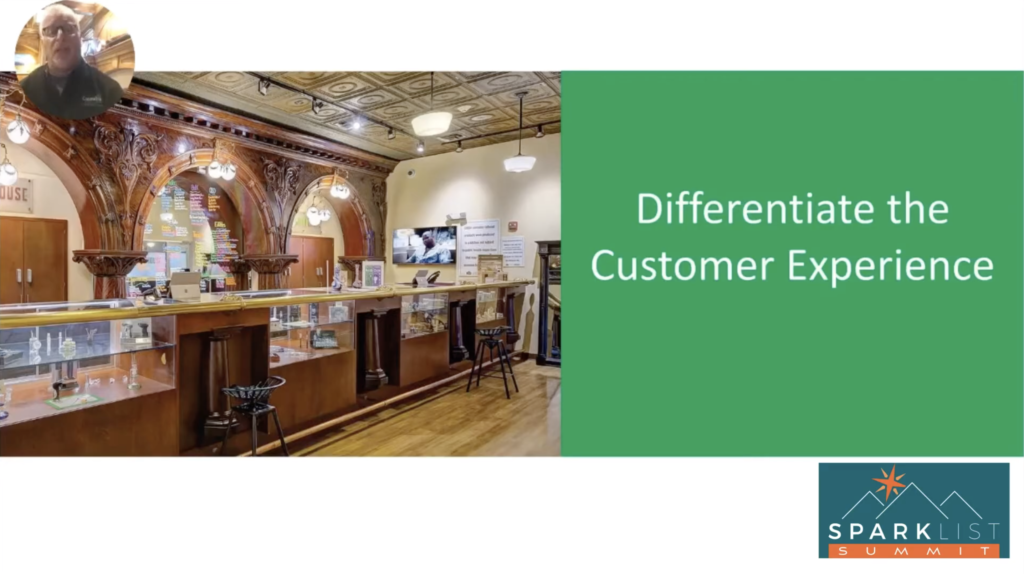
Cannabis Facility Construction Principal, Andy Poticha, spoke last month at the inaugural Sparklist Summit, hosted by Supercritical. Illinois applicants and cannabis industry stakeholders learned about “Avoiding Common Construction Mistakes as a New Cannabis Licensee.” Listen here to the video.
https://www.youtube.com/watch?v=QBY9XpRTH4M&feature=emb_title
Building Your New Dispensary: Avoiding Common Design-Build Mistakes as a New Licensee
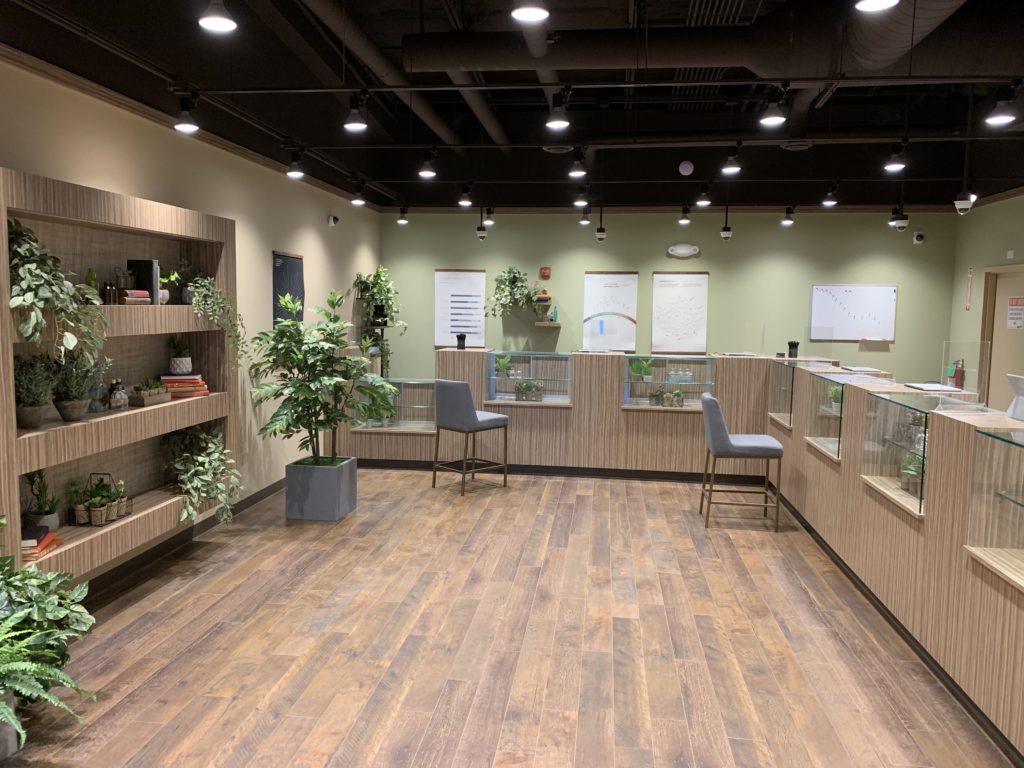
So you’re planning a new cannabis dispensary – congratulations! Whether this dispensary is your entrepreneurial dream come true or you’ve been down this road before, once you confirm your license, you’ll want to begin building out your location as quickly as possible. Our teams, currently building dispensaries across Illinois and other States, can help steer you through the unique maze that is the cannabis construction process.
Building a new dispensary is not as simple as it sounds. Dispensaries must offer the security of a bank branch, the compliance of a pharmaceutical company, and the aesthetic of a high-end retailer.
As experts in the design-build construction of cannabis facilities, our teams have been in the trenches building dispensaries, cultivation centers and processing labs since 2015, including a national flagship dispensary in Northbrook, currently under construction. We have been involved in more than 30 dispensary, cultivation center and processing lab projects in nine states since 2015. Currently, we are leading renovation projects that offer more than 35,000 new square feet of cannabis cultivation and dispensaries customized for the needs of both medical and recreational cannabis customers.
Here are a few ways you can jump ahead of the curve:
Differentiate the customer experience. Buying cannabis in a regulated dispensary should feel easy, welcoming and natural. Designing for the customer experience, creating welcoming sales environments, while remaining compliant with regulations, is where dispensaries differentiate themselves from the competition. One reason this is so important: with strict supply chain rules in place, many cannabis products are highly commoditized. If your product is a commodity, the customer experience becomes even more important.
Prioritize compliance or suffer the consequences. To maintain product supply and operational retail sales, stick to strict protocols and carefully follow building codes related to the handling, storage and distribution of cannabis throughout the supply chain. In Illinois, building code inspections are unique to each municipality, with enormous differences from one community to another. Be sure your design-build construction partner knows the right questions to ask, and the pitfalls that could come up at each inspection milestone.
Use a design-build approach. Design-build integrates your design and construction teams from the beginning, reducing surprises and streamlining your budget throughout the process of envisioning and construction your dispensary. When your architect and contractor are working together, you’ll find you have more time to focus on running your cannabis business, with less time spent in meetings about your space. In addition, a design-build model allows for a single point of accountability. At CFC, we use our four-step design-build process to ensure alignment and high-touch customer service throughout your project.
Your contractor shouldn’t be learning on the job. Your design-build construction partner should be respected in the industry and be able to speak to ‘tales from the trenches.’ While legalized recreational cannabis may be new to Illinois, there are companies like us that have been building for both medical and recreational cannabis for many years. You should never have to hear ‘let’s learn this together.’
Don’t let the pandemic get you down. As an essential business, construction has been building cannabis facilities throughout the COVID-19 shut-down period and continues today. With the right protocols in place, there’s no reason the construction of your dispensary can’t press forward. To understand more about how our crews stay safe, you can read our National Cannabis Industry Association (NCIA) blog post from June 2020 on how to expand or renovate your cannabis facility while observing social distancing.
Choose a contractor with experience. For nearly five years, CFC has worked with numerous cannabis companies, including vertically integrated multi-state operators (MSOs). “Partnering with CFC, we have been thoughtful about connecting the design/build process with our customer experience and compliance objectives,” said Mitch Kahn of Greenhouse Cannabis. “Together, we identified and solved potential issues early in the design/build process, so that the build-out is supportive of sales, security, and being good neighbors in our communities.”
Need more resources on the design-build dispensary construction process? Here are a few suggestions:
NCIA PODCAST:
https://thecannabisindustry.org/podcasts/cannabis-facility-design-and-construction/
KNOW BEFORE YOU GROW:
https://rejournals.com/know-before-you-grow-secrets-of-successful-cannabis-facilities/
KEY SUCCESS FACTORS:
While cannabis continues to be a fast-paced industry with changes on a daily and weekly basis, it’s no longer brand-new. There’s no reason you shouldn’t have a guide who knows the right questions to ask and can keep you from repeating mistakes of the past.
For more information on working with our Cannabis Facility Construction experienced teams, you can request a consultation here and one of our team members will get back to you immediately.
Construction On Cannabis Dispensary Begins
Northbrook Patch | Jun 17, 2020 – Construction is underway on a new recreational and medical dispensary at 755 Skokie Blvd. in Northbrook. Cannabis Facility Construction, a national, full-service, cannabis design-build construction firm based in Northbrook, announced the news Tuesday. The facility will be run by Greenhouse Group LLC.
The Northbrook location will be a national flagship location for the brand, according to a press release. The site, offering nearly 10,000-square-feet of finished space, is the former home the Rehabilitation Institute of Chicago. The vacant Marathon Gas station at 430 Dundee Road will be consolidated into one lot.
“As their preferred design-build partner, CFC has delivered multiple dispensaries for Greenhouse over the past five years in various states across the country,” said Andy Poticha, principal at Cannabis Facility Construction, in the release. “We are now especially excited to have this opportunity to build their largest flagship location right here in our own backyard.”
Read more at Northbrook Patch
Cannabis Facility Construction Commences Construction on New Flagship Greenhouse Dispensary
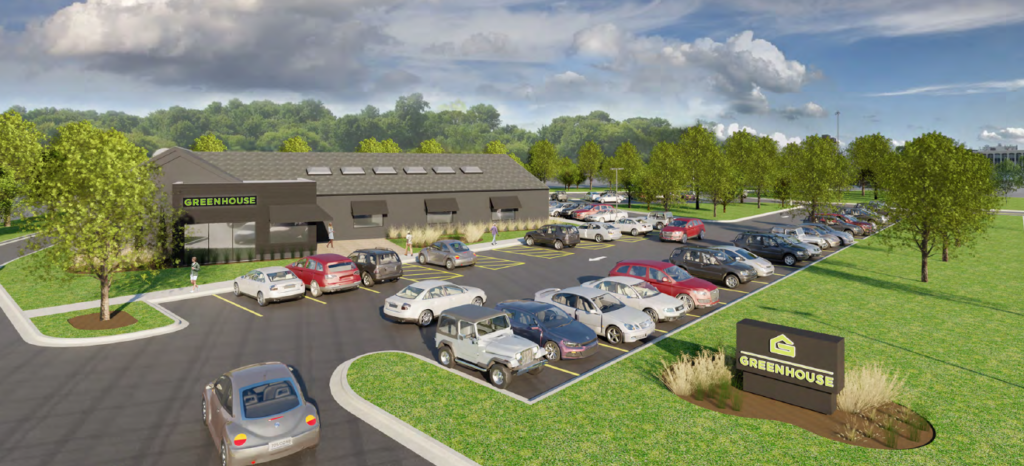
NORTHBROOK, IL – Cannabis Facility Construction (CFC), a national, full-service, cannabis design-build construction firm based in Northbrook, Illinois, is pleased to announce the start of construction on a new recreational and medical cannabis dispensary for Greenhouse. Located at 755 Skokie Boulevard in Northbrook, IL, the new dispensary will be a national flagship location for the brand, offering almost 10,000 square feet of finished space.
“As their preferred design-build partner, CFC has delivered multiple dispensaries for Greenhouse over the past five years in various states across the country,” said Andy Poticha, Principal at Cannabis Facility Construction. “We are now especially excited to have this opportunity to build their largest flagship location right here in our own backyard.”
Construction commenced in May, revitalizing the site and its surrounding area that had been vacant for quite some time.
The location’s sleek, modern, industrial design will represent a new look for the Greenhouse brand. An open floor plan with high vaulted ceilings, skylights, abundant natural light, and easy-to-browse product displays will complement the wood and masonry structure. To create a differentiated and welcoming customer experience, careful consideration has been given to both customer traffic flow and the reality of social distancing. The design ensures all points of sale are six feet apart so transactions take place with proper social distancing in mind and create a sense of ease.
In addition to the retail space up front, there will also be back office space for processing, a secure, oversized vault for substantial inventory storage, and a highly advanced security system throughout.
CFC’s work complements exterior infrastructure improvements happening simultaneously to revitalize the surrounding area with the addition of natural landscaping, a retention pond, large parking lot, and new turn lane from Skokie Boulevard.
A leader in serving the construction needs of the cannabis industry since 2015, Cannabis Facility Construction has built more than 30 cultivation centers, processing laboratories and retail dispensaries customized for the needs of medical and recreational cannabis clients in nine different states.
Updates on our latest commercial builds
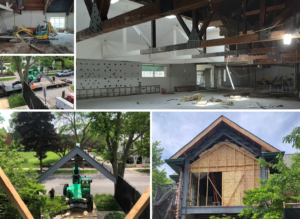
Our field teams have been very busy as they continue to make progress on several commercial renovations. Watching these projects come together has been an enjoyable experience; these behind-the-scenes pictures illustrate the complexity of the work that goes into making amazing spaces happen. We are looking forward to seeing these projects move towards completion throughout the summer.
Our Response to COVID-19
(Updated April 10, 2020)
As we continue our work as an essential industry, we are taking unprecedented precautions to slow the spread of COVID-19, and to support our workers and trade partners who continue to arrive on our job sites and work every day. Our job sites are all continuing to move forward, and work is being conducted with care, with an eye to social distancing on the job site as much as possible, as well as increased sanitation, signage and protective equipment. If you have any questions about our response, please contact us at info@cannabisfacility.net.
(Updated March 16, 2020)
To our valued clients, friends and family,
We care deeply about the health, safety and business success of everyone in our community, and about the quality and timely delivery of our projects under management. We want to personally provide you updates on the actions we are taking as we strive to deliver the best possible service given the current COVID-19 pandemic and related economic factors.
As this highly dynamic situation evolves, we will continue to monitor and adapt our approach as new information becomes available and will post that information here on this page.
While many of our team members are working remotely to answer any questions you may have, our Project Managers, at this writing, are continuing to work on-site and in our office overseeing current projects.
Please take a moment to review our policy below. Updates will appear above this note as they occur; we invite you to bookmark this page for new updates.
We’re all in this together; thank you for being an important part of our community.
Ira Singer, Mike Frazin & Andy Poticha
Principals
Cannabis Facility Construction
Coronavirus Workplace Policy (as of 3/16/2020, subject to change)
As our Company continues to monitor the local, national and worldwide incidence of the coronavirus and the illness it causes, COVID-19, We continue to plan construction activities and if the situation changes it will be addressed on an ongoing basis. Trade Partners are asked to review the following workplace policies and guidance while they continue to work on projects and provide necessary services. It is likely this information will change as the situation evolves and more becomes known.
CFC’s priorities in setting these workplace policies are to:
- Maintain a safe and healthy workplace, including minimizing the transmission of contagious disease;
- Encourage an ethos of fairness, open communications and concern for the wellbeing of all trades people.
- Being extra vigilant and careful not to infect the jobsites, if possible.
- Providing timely communication to keep everyone informed of the latest developments of policy changes.
- Our policy and procedures remain intact and all project operations and construction will be sustained until we hear otherwise from our clients or the government.
Most Important Actions to Take Now
- Create Contingency plans to continue jobsite activities by preparing for increased absenteeism by cross training employees to handle other functions, identifying alternative suppliers, and prioritizing activities onsite to keep moving forward to accomplish critical path items.
- Provide CFC notice of any supplier or man-power issue that will affect the delivery or installation schedules.
- All trade partners are urged to take basic preventive measures to avoid exposure to or infection by the virus causing COVID-19.
- Simple measures can help lower your risk of becoming infected. We all have a responsibility to prevent the spread of flu, cold, and other illnesses. Dense social and public spaces can present an increased risk of contracting and spreading illnesses, and prevention is centered on good hygiene:
- Avoid hand to hand contact with others. NO handshakes.
- Provide ALL onsite personnel with alcohol-based hand cleaners (cover all surfaces and rub until dry).
- Cough/sneeze into a tissue. Dispose of used tissues immediately into a trash can. If you don’t have a tissue, cough/sneeze into the crook of your elbow, not your hands.
- Avoid touching your eyes, nose, and mouth, which accelerates the spread of infections.
- Avoid close contact with others who are sick.
- If you are sick, avoid contact with others, including parties, meetings, and events.
- Do not share glasses, eating utensils, water bottles, cigarettes/vapes/JUULs, lipstick/makeup, etc.
- CFC affiliates who have recently been in an area of high concern for COVID-19, which is being defined as a CDC Level 3 area, should Inform us and self-isolate until you receive formal advice from medical professionals.
- Prepare to shut down, if necessary, while maintaining jobsite safety and mitigating damage caused by a shut down.
Jobsite Policies
- Well Employees: Tradesmen who are well are expected at work as usual, even if they have been in contact with or caring for someone who is ill with an ordinary respiratory illness (in which case, typical preventive measures are recommended for them as caregivers). Well employees are expected at work unless they have been:
- caring for someone with a confirmed case of COVID-19, in which case they are required to self-isolate;
- in a CDC Level 3 area of concern;
- Note: If any of these situations apply to you, please confidentially self-report to us. The employee should be instructed to refrain from attending work as recommended by medical professionals or the public health board.
- Sick Employees: Team members who have symptoms of respiratory illness must stay home and not come to work until they are free of fever, and any other symptoms for at least 24 hours, without the use of fever-reducing or other symptom-altering medicines (e.g., cough suppressants). A fever is defined as a temperature of 100.4 degrees Fahrenheit or 38 degrees Celsius taken by an oral thermometer. Those with concerns or questions about their illness or seeking advice about whether to come to work are invited to email us.
In 2020, Cannabis Construction Must Offer Security of a Bank, Compliance of a Pharmaceutical Company, Aesthetic of a High-end Retailer
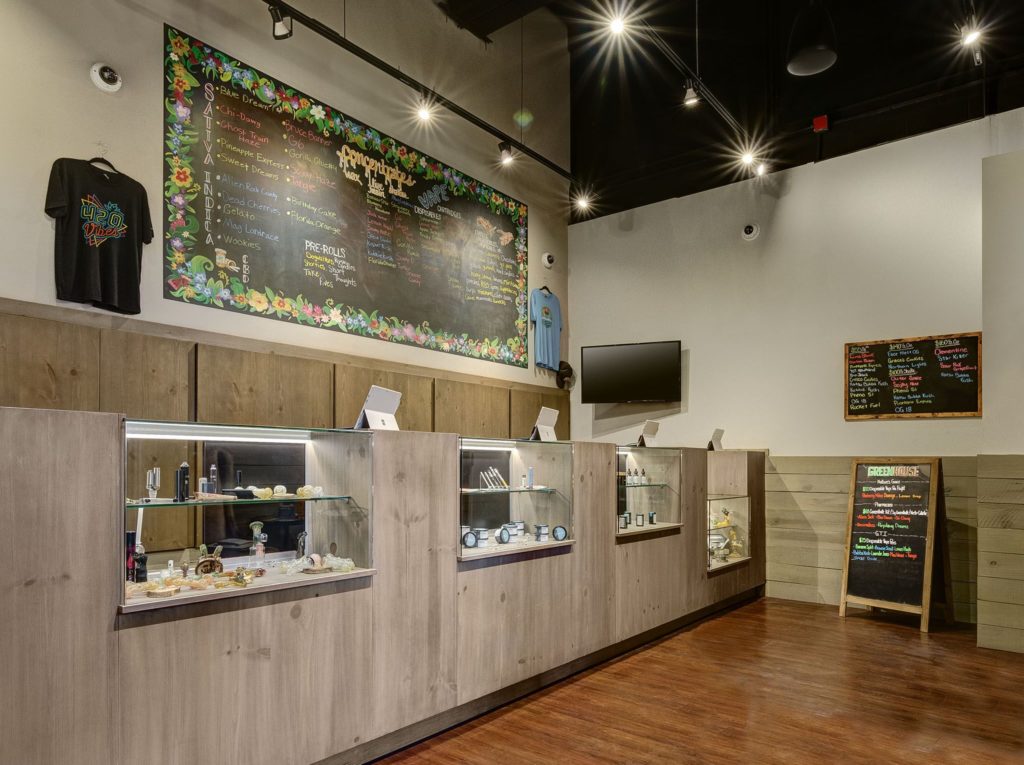
Legal recreational cannabis is a new industry in Illinois—and it’s in dire need of customized facilities. The first month of recreational cannabis sales in Illinois amounted to nearly $40 million. Sales figures spell opportunity both for cannabis companies and for experts in building special-purpose facilities for the industry’s stringent regulations and experience-driven customers.
Andy Poticha, Principal at Cannabis Facility Construction (CFC) has been involved in more than 30 cultivation, processing center and dispensary projects in eight states since 2015. He’s leading renovation projects that offer Illinois more than 35,000 new square feet of cannabis cultivation areas and dispensaries customized for the needs of recreational cannabis customers.
“To become recreational cannabis users’ preferred dispensary, new cannabis license holders must prioritize both compliance and customers in their facility design,” Poticha observes. The design/build process must support two core objectives:
- Prioritize compliance or suffer the consequences. To maintain product supply and operational retail sales, stick to strict protocols and carefully follow building codes related to the handling, storage and distribution of cannabis throughout the supply chain.
- Offer a differentiated customer experience. Product commoditization and restricted in-state cannabis sourcing leads to stiff competition between dispensaries.
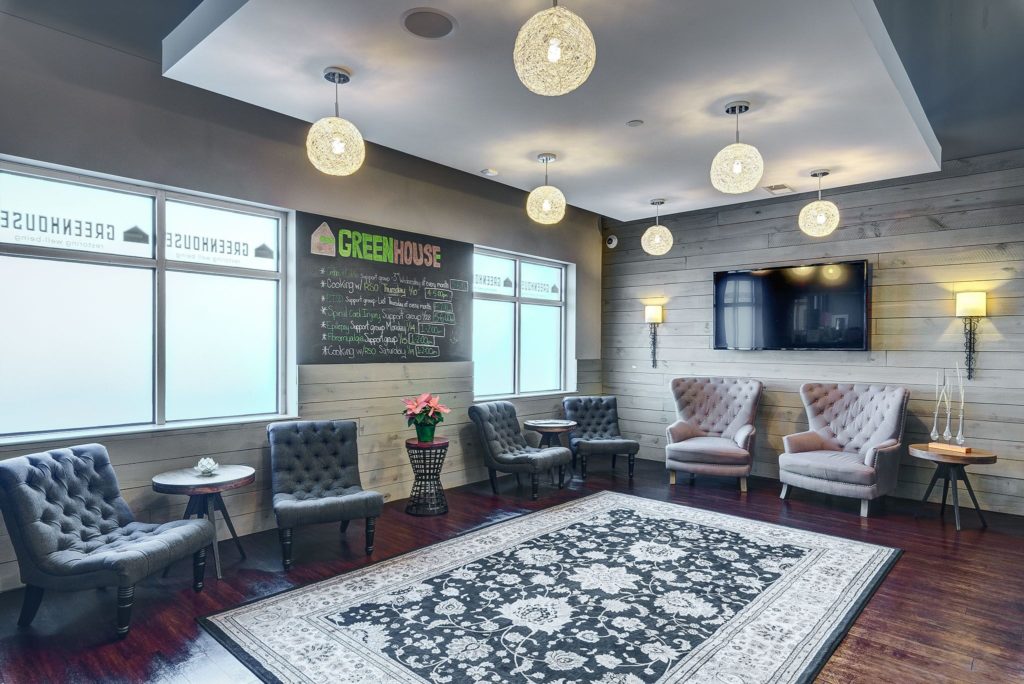
“Cannabis companies need to offer the security of a bank branch, the compliance of a pharmaceutical company, and the aesthetic of a high-end retailer,” said Poticha. “Designing for the customer experience, creating welcoming sales environments that are compliant with regulations, is where dispensaries can find true opportunity to differentiate themselves from the competition.”
For nearly five years, CFC has worked with numerous cannabis companies, including Grassroots Cannabis, a vertically integrated multi-state cannabis company. For co-founder Mitch Kahn, CFC has helped Grassroots embrace these seemingly competing objectives into a cohesive customer experience.
“Partnering with CFC, we have been thoughtful about connecting the design/build process with our customer experience and compliance objectives,” said Kahn. “Together, we identified and solved potential issues early in the design/build process, so that the build-out is supportive of sales, security, and being good neighbors in our communities.”
Know before you grow: Secrets of successful cannabis facilities
This article was original posted on the REJournals blog here.
As cannabis legalization sweeps the Midwest, demand for facilities to grow, process and sell cannabis products is skyrocketing. A shared concern in every state is product shortages; will there be enough cultivation facilities to provide product to the market? Therein lies the makings of a rush to market—and a building boom.
The business opportunity is evident. What many don’t recognize is the high risk of construction delays due to the complex requirements for cannabis facilities. While every location is regulated differently at the local and state levels, we’ve identified a set of success factors for cannabis facility site selection and construction across the eight states where we’ve led renovations.
Don’t rush pre-construction planning
In a new industry, speed-to-market is critical—but it’s a marathon, not a sprint. Carefully choosing the right site for operational success and ensuring that the drawings are compliant will be time well spent. Confirm that regulations are addressed, from cannabis-specific rules to unique building codes and even future investment structure parameters. Investing up front will reduce delays and costs later in the process.
Security comes first—no exceptions
Security is the first concern in any zoning approval meeting, regulatory inspection or other critical path approval milestone. Understanding local community and police expectations for a secure facility, beyond what is required by law, is critical to ensuring the facility design and construction will be approved for operational use. Security in the cannabis industry is more than cameras and technology installation; the building you choose must offer secure and compliant entry areas for employees and (for retail) customers, and the renovation must foresee and address any potential security risks of the facility itself.
Entry and egress are critical
For both dispensaries and cultivation facilities, the process of bringing cannabis products in and out of the building is both operationally critical and externally controversial. If you don’t have the right loading area design, you may have to make costly changes later in the process—or even abandon an otherwise strategic site, because the site simply can’t alleviate community concerns about safety or traffic.
Technology installation is part of your schedule, whether you plan for it or not
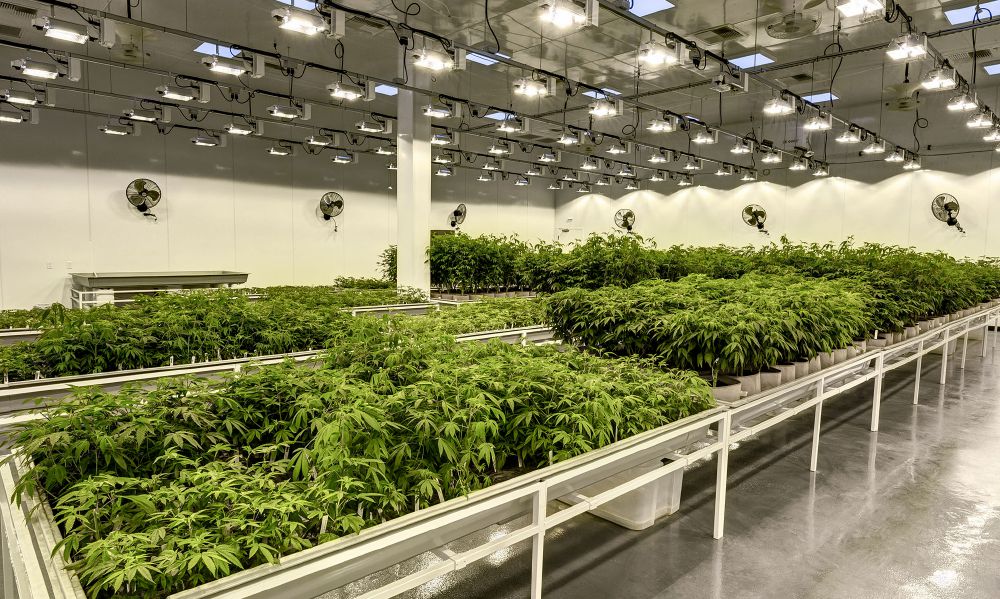
Many cultivation facilities are largely located in existing buildings that began their life as a warehouse or factory. However, the shell is just the beginning. Beyond ensuring the construction is code compliant and aligns with the operational program, the construction timeline needs to account for the installation of multiple complex interlocking technology systems required to grow high-quality, legal cannabis. Major systems include advanced HVAC systems that regulate and measure air purity, sophisticated lighting systems, cannabis processing equipment that requires custom environments, industrial-scale kitchen areas and advanced racking, water supply and automation systems.
Don’t underestimate the HVAC, lighting and other technical requirements for cultivation facilities
More similar to pharmaceutical manufacturing operations than a family farm, cannabis cultivation requires highly specialized facility features. The products that will be grown in the facility will undergo rigorous testing and compliance monitoring, requiring sophisticated lighting, air purification and water management systems. Working with a knowledgeable team who can ask the right questions based on operational experience is critical to ensuring an environment conducive to growing high-quality cannabis.
Build in flexibility for rapidly evolving needs and regulations—especially the transition from medical to recreational sales
Today’s regulations are tomorrow’s memories. In a rapidly evolving industry, your facility needs to be compliant today, and give you flexibility to adjust as regulations change. The most significant change may come when your state evolves from medicinal cannabis legalization to recreational use. Typically, when a facility has been designed according to medical regulations, it will need significant renovation to be compliant for adult use cannabis growth, processing or sales. By making future-forward decisions during the design-build and site selection processes, you’ll ensure your facility is ready for that transition, saving time and money down the road.
Environmental impact can bring construction to a halt if you’re not careful
Even well into the construction or renovation process, your facility’s impact on the natural environment is an important aspect of the project. Mistakes can potentially give ammunition to anti-cannabis foes or bring expensive and unexpected issues to address. To avoid costly environment-related delays, it is beneficial to establish relationships with local authorities early on in the development process. Be proactive and address any concerns in advance: i.e. plan to improve water and air quality; reduce energy use; manage waste discharge; protect nearby wetlands, rivers, fisheries and forests and have a plan in place in case you discover ancient human artifacts (classified as “cultural resources”).
There’s an upswell of interest from real estate companies to expand services into the cannabis sector, and rightly so, given the rising demand for cannabis retail, cultivation and processing facilities. The successful projects will be the ones that plan for the complexity of this highly regulated industry.
About the author
Andy Poticha is the principal of Northbrook, Illinois-based Cannabis Facility Construction and Mosaic Construction. He has led the renovation of more than 30 cultivation facilities, processing centers and dispensary projects totaling more than 307,800 square feet in eight states including Illinois.
The Rise of Hemp: The Federally Legal Industry is Booming
The hemp-derived CBD industry is expected to reach $16 billion nationwide by 2025. The ground-breaking Agriculture Improvement Act of 2018 or Farm Bill removed low-THC cannabis and its derivatives from the Controlled Substances Act, opening the door for FDA-regulated products like CBD pharmaceuticals, food items, additives, and dietary supplements. Already, major retailers like CVS and Kroger are selling CBD products. Granted CBD products, including CBD-infused water, CBD-infused cosmetics and CBD-infused pet treats in the marketplace pre-dated the Farm Bill, those products can now be shipped across state lines and sold legally at the federal level. Here’s what you need to know about the rise of hemp in the U.S.
Hemp Vs. Marijuana
Hemp and marijuana look and smell nearly the same, but the similarities stop there. They derive from the same plant, cannabis sativa, but hemp contains less than .3% THC while marijuana has much higher levels. Hemp is now considered a federally legal agricultural product, and majijuana remains a DEA Schedule 1 drug, only legal in states with medical and adult use programs. In addition, hemp is regulated by the FDA and marijuana is not.

Hemp Facilities
Just like with marijuana, there are hemp cultivation facilities, processing centers, and retail businesses. The focus and capital investment has been on processing centers with businesses in Colorado City, Colorado and Janesville, Wisconsin leading the charge.
Colorado City has a population of under 3,000 but is home to Paragon Processing, the largest hemp-processing center in the United States. According to Westword, Paragon will produce a variety of hemp extractions through isolation and distillation techniques, projecting to produce one million pounds of hemp monthly. Industrial hemp production has the complete buy-in from Governor Jared Polis. “Governor Polis’s administration has pushed for looser regulations on hemp farmers and businesses in order for this state to maintain its top spot in the hemp industry,” adds Westword. “During a recent speech at a hemp and CBD industry conference, Polis said that hemp farming was part of his rural economic initiative, and that he’d like to raise Colorado’s current 62,000 acres allotted for hemp farming by 20 percent.”
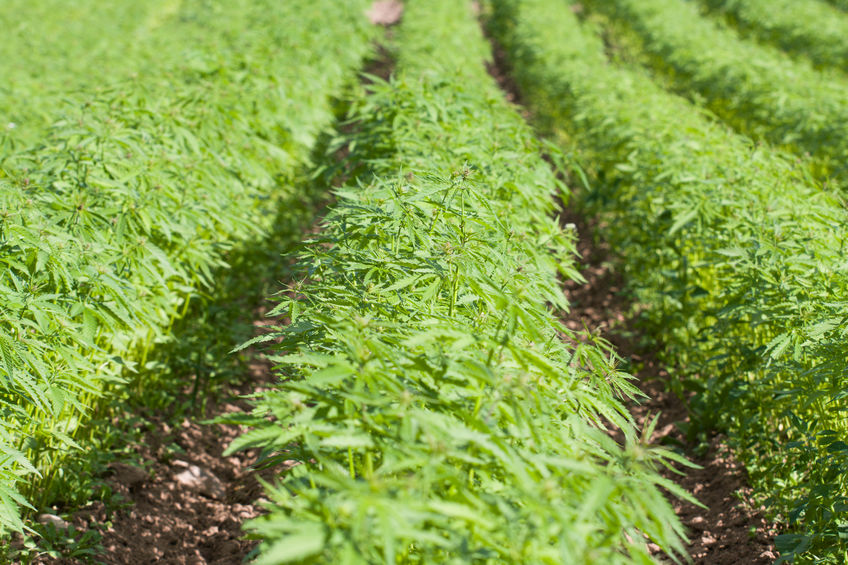
Wisconsin’s young market already has as big player in Simply Solutions, a maker of natural personal care products, getting into the hemp game. Simply Solutions will be the area’s first-to- market commercial-sale processing facility with another distinction: a method that extracts almost 100% CBD oil content.
Per GazetteXtra, “Simply Solutions claims their extraction process is a cleaner and more efficient way to extract more CBD from hemp…Methods other producers use extract only 60% to 70% of the CBD, they said.That’s important, considering that some strains of hemp grown for CBD can net $2,500 to $75,000 an acre, according to New Frontier Data, a cannabis industry analyst.”
Sourcing hemp from reputable farmers is crucial for CBD purity, as many companies are extracting CBD from hemp plants not bred for CBD.
Licensing and Regulations
The Farm Bill gives states the authority to submit plans for licensure and regulations. According to the National Conference of State Legislatures, “A state plan must include certain requirements, such as keeping track of land, testing methods, and disposal of plants or products that exceed the allowed THC concentration…State policymakers have taken action to address various policy issues — the definition of hemp, licensure of growers, regulation and certification of seeds, state-wide commissions and legal protection of growers.”
Keeping Marijuana and Hemp Separated “Marijuana entrepreneurs who want to enter the federally legal CBD industry should consider starting a CBD business separate from the marijuana entity,” according to Marijuana Business Magazine. Though the Farm Bill has federally legalized the hemp industry, marijuana remains a Schedule 1 drug, and the main concern for businesses is extracting CBD that stays below .3% THC content. However, the same owner can have separate hemp and marijuana businesses.
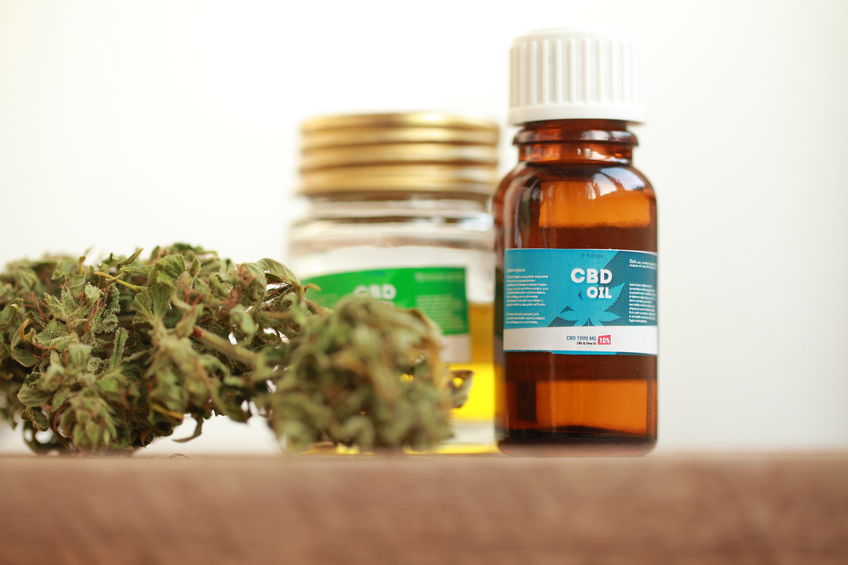
The same article reported that Fairwinds, located in Washington state, faced a dilemma, desiring to enter the hemp space. The company’s products include tinctures, capsules, and topicals derived from a cannabis strain with CBD-dominant ratios, but with THC content above the limit. “The solution wasn’t simply removing THC from the products, because that would make them less effective. Rather, in anticipation of hemp legalization, Fairwinds CEO James Hull and his team spent more than a year finding new cannabinoids that could replace THC in formulations that would be federally legal while still an effective treatment.”
In the spirit and best practice of keeping the businesses separate, Hull ultimately created a new entity called Fairwinds CBD.
Less Oil Means More Plants
Another significant difference between hemp and marijuana is hemp’s lower oil content, which means that business owners must process more of the crop for an adequate CBD oil yield. Marijuana Business Magazine interviewed Craig Henderson, CEO of Extract Labs, a Boulder, Colorado-based extraction firm and CBD products manufacturer, who says hemp processing facilities will need larger extraction machines. “He [Henderson] estimated that a large marijuana company processes 100-300 pounds of cannabis per week, whereas large hemp companies process 2,000-10,000 pounds of the plant each week.”
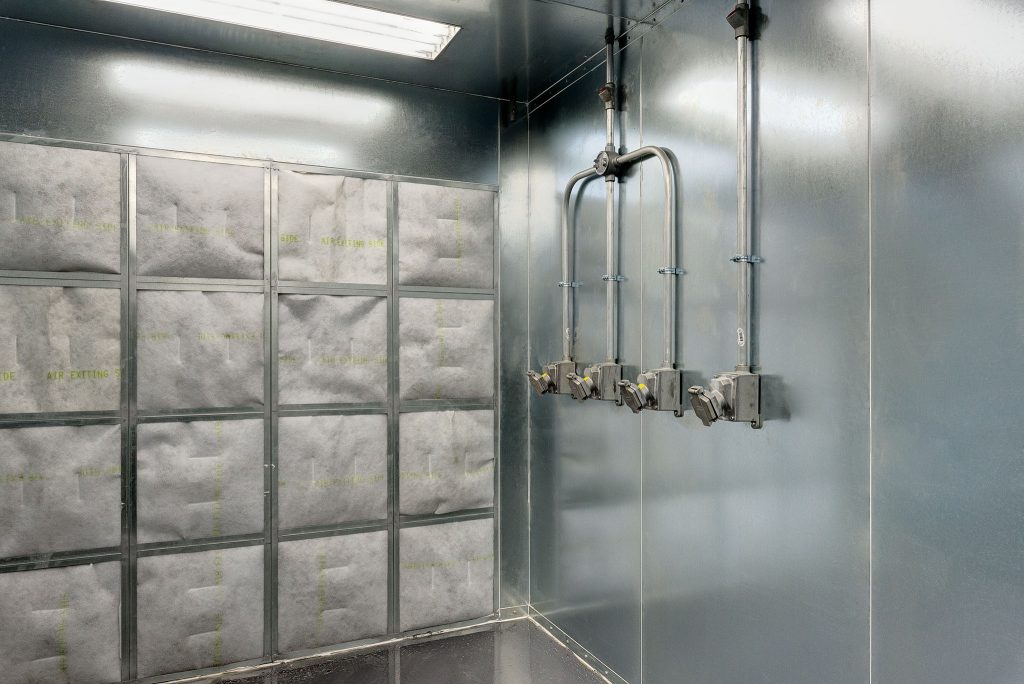
In addition to larger equipment, business owners will need more employees and more space to handle the volume of product and extraction needs of hemp. “I think it’ll take people a couple months to figure out what they want to do and how they’re going to create businesses, and hopefully, maybe by June, we’ll see a huge spike in interest,” adds Henderson.
Proceed with Caution
The FDA remains the be all and end all governing body when it comes to regulating hemp. Hemp-derived CBD companies must be judicious about their product descriptions, especially information on potential health benefits. Moreover, the FDA has not given CBD as a food additive the designation of Generally Regarded as Safe.
Stipulated Sum Agreements Make Us the Right Builder for You
Our goal as a design-build firm is to create value for our clients through outstanding service-delivery and building trusted relationships. One of the many ways we achieve our goal is how we structure our contracts. Our clients want to know what they’re paying for, and we are able to clearly spell that out by providing stipulated sum agreements.
What is a Stipulated Sum?
Also referred to as a lump sum contract, a stipulated sum requires a builder to agree to provide specified services for a fixed price based on labor and material costs. The builder is responsible for executing the job properly and will provide its own means and methods to complete the project. Specifically, we use stipulated sum agreements with our multifamily and commercial projects, and they allow us to better define the scope and schedule of projects.
“We have always been client-centric, and what that means is that we want our clients to look at us as their design-build partners. The way we have been set up from inception has lent itself to that type of relationship.”
– Andy Poticha
Why We Use Stipulated Sums
Cannabis Facility Construction uses stipulated sums so that our clients know what they’re getting, and we know exactly what we need to deliver. Our contracts are predictable and easy to manage and benefit our clients in the following ways:
No Hidden Fees
One of Cannabis Facility Construction’s key differentiators is that we never stick our clients with hidden fees, compared to cost-plus-fixed-fee and other contracts. “We don’t charge, as most architects and most contractors do, a percentage of construction,” said Andy Poticha, Principal of Cannabis Facility Construction, on the Cannabis Legalization News podcast. “You have no incentive to finish a job on time and you have every incentive to make it cost more money. We said if we’re truly going to be partners with our clients, we need to have some skin in the game. We’re going to be offering them our process and our intellectual property, and we’re going to say that the project’s going to take this long, and our fee is going to be a stipulated sum based on how long that’s going to take.”
Predictability
Our clients value the predictability of stipulated sum agreements, especially since they reduce risk and give them more confidence. With an agreed upon sum in place, our clients are not liable for any cost overruns. “It doesn’t matter to us if the project is $6,000, $600,000, $60 Million, or $600 million,” added Poticha. “If it takes six months to do, our fees are going to be the same. Our clients understand that we have an incentive to finish it in the time that we’ve agreed to. But just as importantly, we have the incentive to make sure that our client is getting the most bang for their buck without us having the incentive of trying to sell them something more.”
Better Collaboration
We find that stipulated sum arrangements foster a greater degree of collaboration between Cannabis Facility Construction and our clients. We are able to execute tight project management and more efficient communication to ensure that both parties are adhering to the scope of work. “We are very different in our approach to how we look at our clients,” said Poticha. “We have always been client-centric, and what that means is that we want our clients to look at us as their design-build partners. The way we have been set up from inception has lent itself to that type of relationship.”
The design-build methodology supports our goal because it allows us to streamline the construction process, which ultimately benefits our clients and our management team. “We look at every project not as a one-time project, how much money can we make, finish it, and go on to the next project,” added Poticha. “We’re offering our client this partnership so that they can go on and do what they do best, while we do what we do best.”